
A Goat Farm for Kathmandu Evangelical Church
Kathmandu Evangelical Church, in the capital of Nepal, is starting a small goat farm. It will give church members steady work and give the church an income of its own, so the people who lead it can keep serving.
- Church
- Kathmandu Evangelical Church, Gokarna, Kathmandu, Nepal
- Led by
- Adrian Barailee, our first Future Leader Fellow
- To begin
- $3,500
- Over two years
- $30,000
- Status
- Raising the money to begin
- Updates
- At least once a month, on this page
The Church
Kathmandu Evangelical Church meets in Gokarna, on the north-eastern edge of Kathmandu, near the historic Gokarneshwor Temple. Many of its neighbors are hearing the gospel for the first time. About 35 families worship there each week.
The senior pastor serves full-time without a salary. The elders and deacons preach, disciple new believers, visit the sick and care for families, often while struggling to provide for their own. The church's whole yearly budget is about $20,000, and its prayer is to give four full-time leaders a modest stipend of $300 a month.
Why a Goat Farm
Gifts from abroad help, but they come and go. A farm the church owns can earn year after year. This is what is often called business as mission: honest work that supports the church, employs its members and serves its neighbors.
“From whom the whole body fitly joined together and compacted by that which every joint supplieth … maketh increase of the body unto the edifying of itself in love.” Ephesians 4:16
Work is scarce in Nepal, and many young people leave the country to find it. Jobs close to home keep families and churches together.
Goat meat is in steady demand in the Kathmandu Valley, and demand peaks every autumn at the Dashain and Tihar festivals. A clean, well-run local farm can sell into that market and keep the profit in the community.
The Plan

- A shed. A steel shed of about 3,000 square feet, with raised, slatted floors to keep the animals dry and healthy.
- Water. A borewell and a 2,000-litre raised tank, for the animals and the feed crops.
- Feed. One ropani of land, about 5,500 square feet, planted with Napier grass and seasonal fodder, so the farm grows its own feed.
- The herd. A starting herd of 12 to 15 healthy does.
The Money
The farm needs $3,500 to begin, and about $30,000 over two years to reach full size.
Any profit is used by a simple rule. In the first two years, 70% of any surplus goes back into the farm, to grow the herd and improve the buildings. From the third year on, half of the net profit goes to the church's fund for biblical training.
Who Leads It
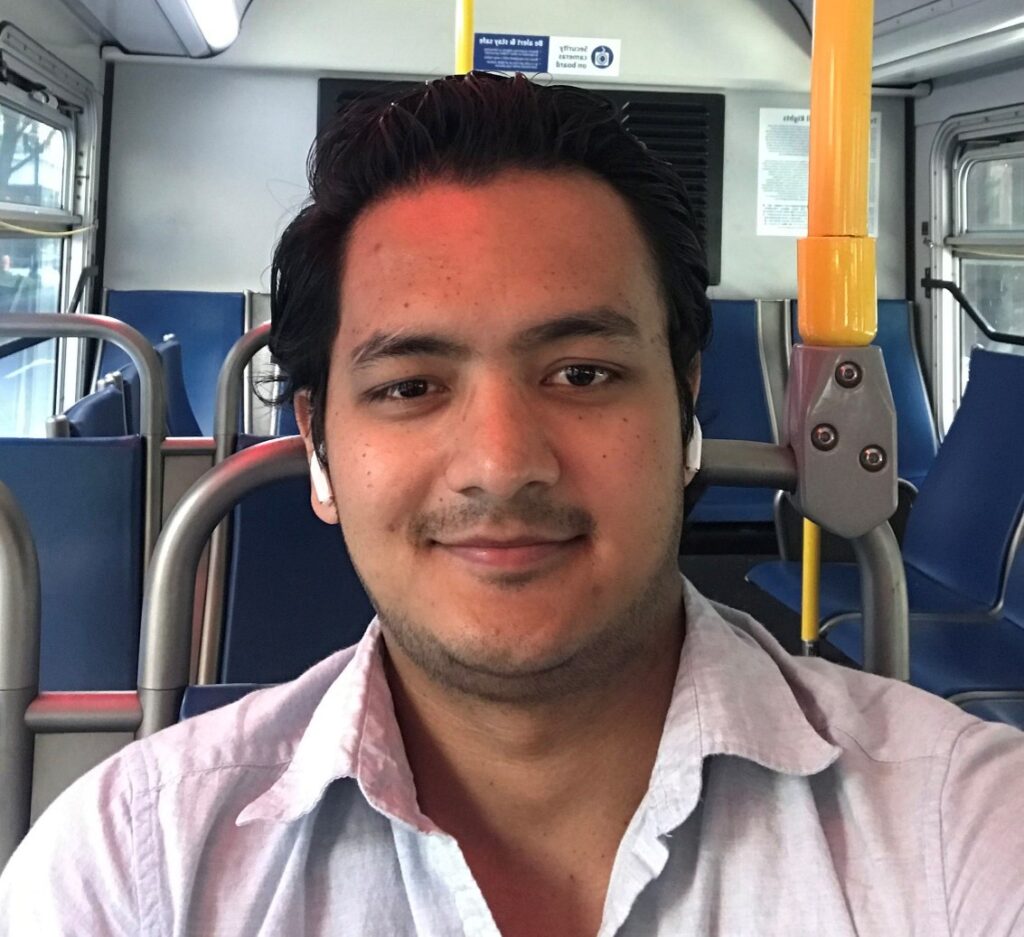
Adrian Barailee of Nepal is the first Future Leader Fellow of Godhunting Resources. With our support he completed a Master of Divinity at Western Seminary in Portland, Oregon, and he continues his studies there.
He leads the farm together with Kathmandu Evangelical Church, which also works with the Kathmandu Bible Institute to train pastors and church leaders in Nepal.
Follow the Farm
Adrian will post an update here at least once a month, with news and photographs, so that everyone who helps can see what their help has done. Everyone who gives is invited to join the farm's circle on godhunting.org, to talk with Adrian, see the farm as it grows and ask questions.
The first update will appear here soon.
How You Can Pray
- That the farm will be established and the herd kept healthy.
- For the pastor, elders and deacons who serve the church, and for their families.
- That God will keep opening doors for the gospel in Kathmandu.
Gifts are made to Godhunting Resources, a 501(c)(3) public charity (EIN 33-3656345), and are tax-deductible as the law allows. Godhunting Resources sends gifts given for this project to it and keeps oversight of how they are used. If the project is fully funded or cannot go ahead, gifts are used for a similar purpose.