Major Christian Theological Traditions
Christians have agreed on much since the councils of the early Church, and they have disagreed on much as well. The table below sets ten major traditions side by side: what each teaches that sets it apart, which books it counts as Scripture, the catechisms and confessions that state its faith, and how it is governed. It is a first map, not the last word; each tradition describes itself best in its own documents, and many of those documents are in our library.
Godhunting works among Christians of every major tradition, and people of other faiths and of none are welcome too.
| Tradition | Theological Distinctives | Canonical Books | Key Catechisms and Confessions | Authority and Polity |
|---|---|---|---|---|
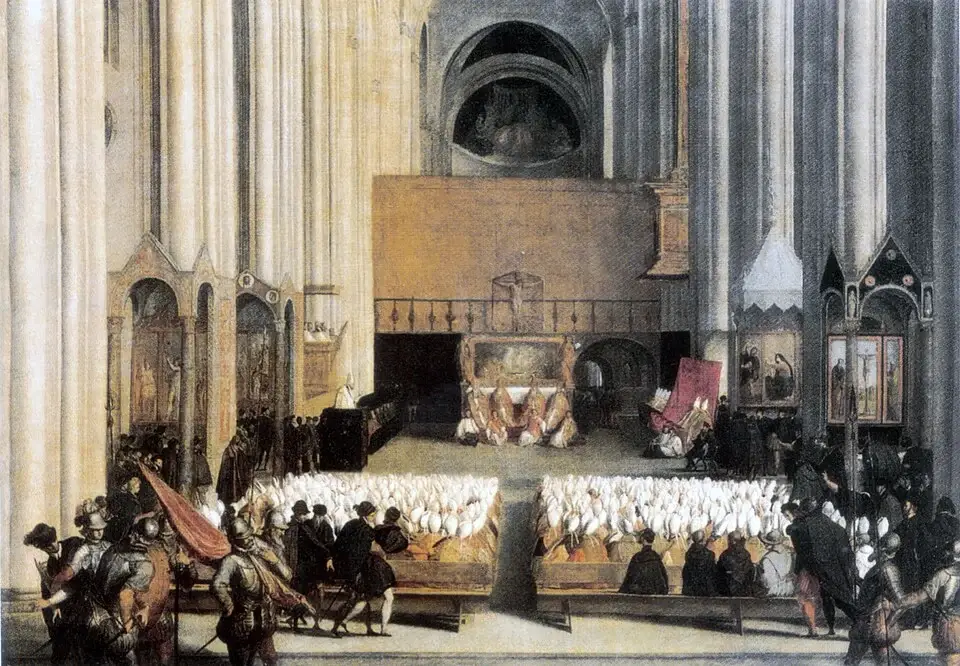
| Roman Catholic | Papal primacy; seven sacraments; transubstantiation; justification as grace received and cooperated with, faith working through love; the Treasury of Merit. | 73 books, including the Deuterocanonical books; the Latin Vulgate traditionally authoritative. | Decrees of the Council of Trent (1545–1563); Catechism of the Catholic Church (1992). | The Magisterium; episcopal and hierarchical polity; apostolic succession. |
| Eastern Orthodox | Theosis (deification); conciliarity; the essence–energies distinction (Palamism); veneration of icons. | About 76 books, varying slightly by jurisdiction; Old Testament based on the Septuagint. | The Confession of Dositheus (1672); the Longer Catechism of Philaret (1823). | The first seven Ecumenical Councils; episcopal polity in patriarchal and autocephalous churches. |
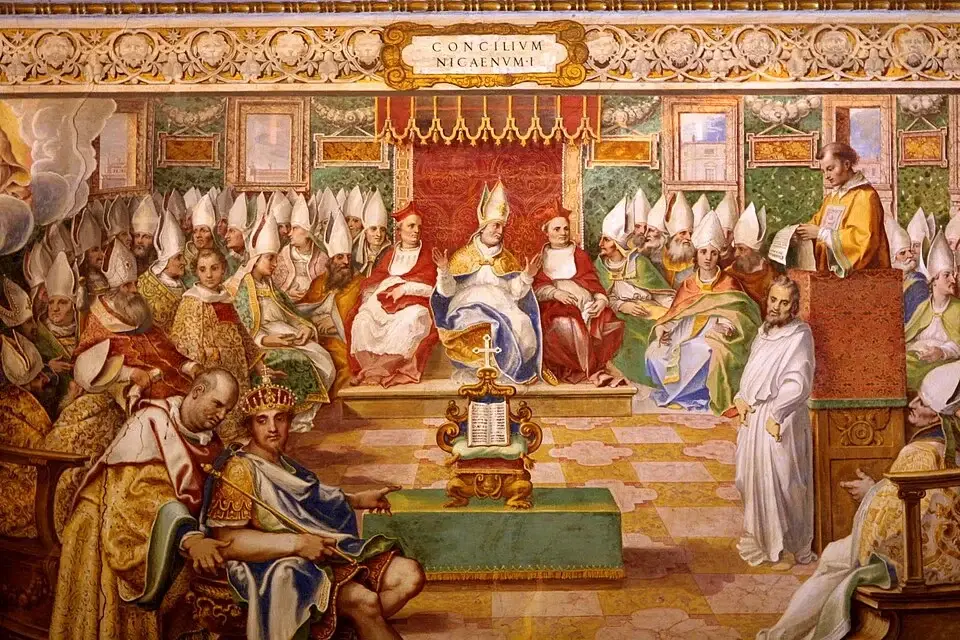
| Oriental OrthodoxCoptic, Armenian, Ethiopian, Syriac | Miaphysite Christology: one united nature of the incarnate Word, from two natures; the Council of Chalcedon (451) is not received; ancient liturgies; seven sacraments (holy mysteries); veneration of saints and icons. | Varies by church; the Ethiopian canon is the largest, about 81 books, including 1 Enoch and Jubilees. | The first three Ecumenical Councils (Nicaea 325, Constantinople 381, Ephesus 431) and the Nicene Creed; the writings of Cyril of Alexandria; no single catechism common to all. | Episcopal polity; self-governing churches under their own patriarchs or catholicoi, in communion with one another. |
| Lutheran | Sola fide; the distinction between Law and Gospel; the sacramental union, Christ’s body and blood truly present in, with, and under the bread and wine; monergism in conversion. | 66 books; the Apocrypha useful for reading but not for establishing doctrine. | Luther’s Small and Large Catechisms (1529); the Augsburg Confession (1530); the Book of Concord (1580). | Varies: episcopal in parts of Europe, congregational or synodical in the United States. |
| Reformed / Calvinist | The sovereignty of God; unconditional election; covenant theology; Christ’s spiritual presence in the Lord’s Supper. | 66 books. | Heidelberg Catechism (1563); Westminster Confession of Faith (1646); Westminster Shorter and Larger Catechisms (1647). | Presbyterian (led by elders, with graded church courts) or congregational. |
| AnabaptistMennonite, Amish, Hutterite | Believer’s baptism; discipleship, following Jesus in daily life; nonresistance and peacemaking; separation of church and state; the church as a gathered community of believers. | 66 books. | The Schleitheim Confession (1527); the Dordrecht Confession (1632); Confession of Faith in a Mennonite Perspective (1995). | Congregational polity, often with regional conferences; ministers and elders chosen by the congregation. |
| Anglican | The via media (middle way) between Catholicism and Protestantism; worship shaped by the Book of Common Prayer; comprehensiveness. | 66 books; the Apocrypha read “for example of life” but not to establish doctrine. | The Thirty-Nine Articles (1571); the Church Catechism in the Book of Common Prayer. | Episcopal polity, governed by bishops and synods. |
| Methodist / Wesleyan | Arminian theology; prevenient grace; Christian perfection (entire sanctification); practical divinity. | 66 books. | Articles of Religion (1784); Wesley’s Standard Sermons and Explanatory Notes upon the New Testament. | A connectional system, led by bishops or by conferences. |
| Baptist | Believer’s baptism (credobaptism); soul competency; the priesthood of all believers; the autonomy of the local church. | 66 books. | Second London Baptist Confession (1689); Keach’s Catechism (1693); the Baptist Faith and Message. | Congregational polity. |
| Pentecostal / Charismatic | Baptism in the Holy Spirit, evidenced by speaking in tongues; the continuation of spiritual gifts. | 66 books. | Statements of faith, such as the Assemblies of God’s 16 Fundamental Truths. | Varies widely; often congregational or a modified episcopal polity. |