The Resurrection of Jesus: Is it Historical?
Course III of the Certified Godhunter Series
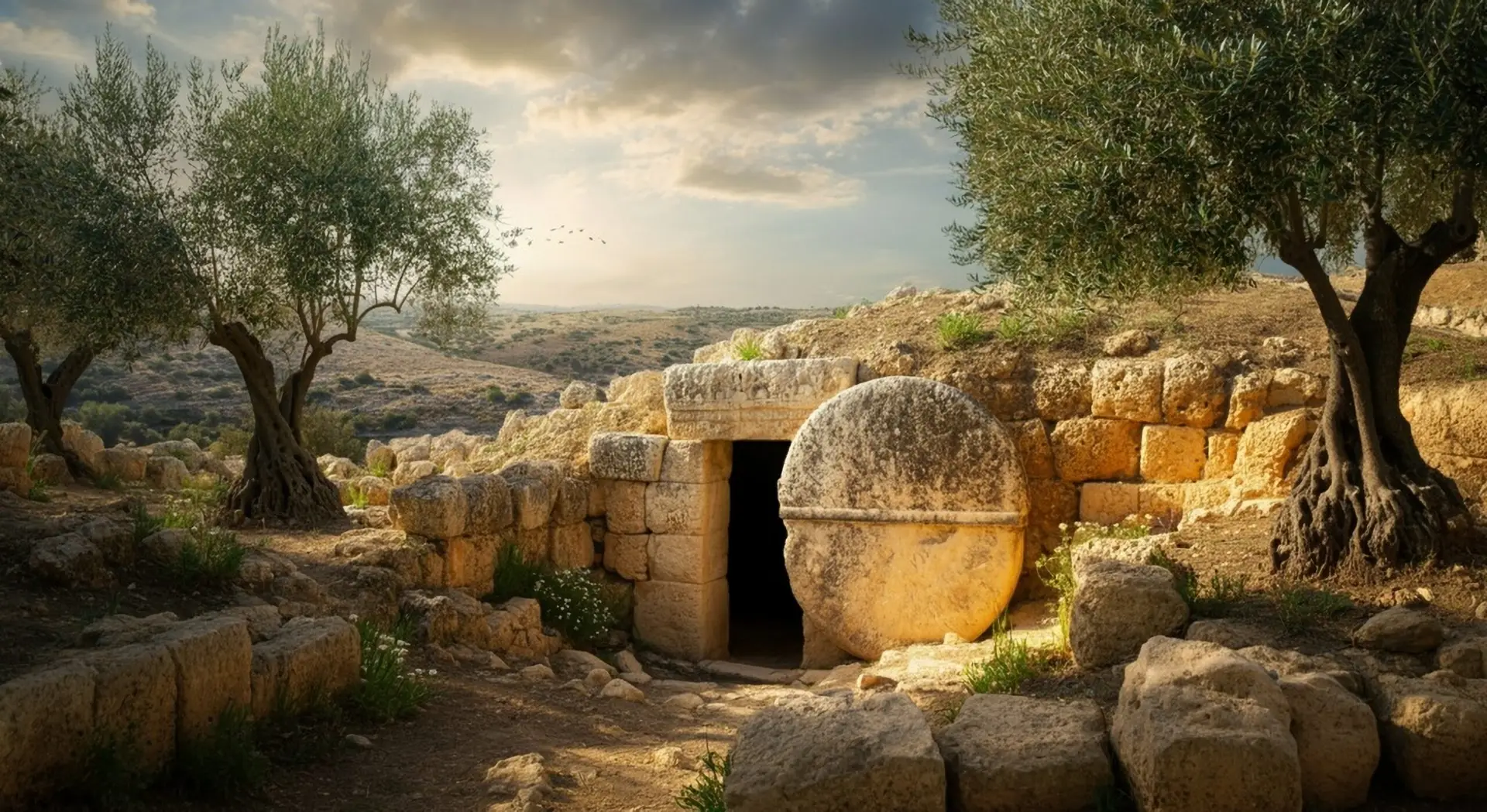
If the Resurrection did not happen, the Christian faith is void. This course treats the Resurrection not as a theological dogma, but as a historical cold case. Using the “Minimal Facts” approach—relying only on data accepted by over 90% of skeptical and critical scholars—investigators will weigh the medical reality of crucifixion, the psychological transformation of the disciples, and the empty tomb against naturalistic theories like hallucination and fraud.
Each of our courses are divided into 10 classes corresponding to the 10 chapters of the textbook assigned to the course. Each class has four lessons.Each of our courses are divided into 10 classes corresponding to the 10 chapters of the textbook assigned to the course. Each class has four lessons.
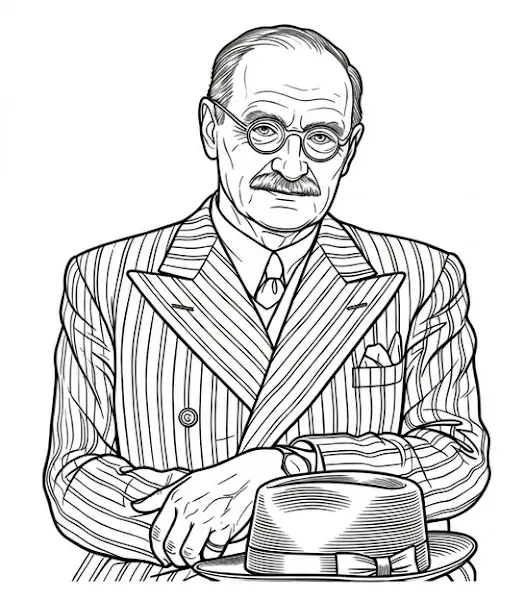
Meet Your AI Tutor: Prof. Dr. Nemo LXON
Your 24/7 Socratic Guide Through the Crucible
The Godhunting Academy does not simply feed you information; we demand that you defend it. To aid you in this rigorous pursuit, you will be guided by Doctor Nemo LXON—a proprietary, highly advanced AI theological tutor.
Programmed with a vast library of classical apologetics, historical data, and philosophical frameworks, Doctor Nemo is not a passive search engine. He is a tireless sparring partner embedded directly into this syllabus, ready to challenge your premises, refine your arguments, and forge you into a Certified Godhunter™.
What You Will Hunt For: The 10-Chapter Syllabus
Chapter 1: Why the Resurrection Matters Understand the “Hole in History” and why Christianity relies on this specific historical claim rather than abstract philosophy. If forensic analysis proves Jesus stayed dead, the faith is void.
Chapter 2: The “Minimal Facts” Approach Learn Dr. Gary Habermas’s investigative method. You will utilize only historical data points backed by over 3,400 academic sources and accepted by 90% or more of critical scholars, including atheists.
Chapter 3: Fact #1 – Jesus Died by Crucifixion Examine the medical reality of Roman execution and fatal spear thrusts. We will analyze secular confirmation from historians like Tacitus and Josephus to establish the body was definitively dead.
Chapter 4: Fact #2 – The Transformation of the Disciples Investigate the psychological shift from terrified men hiding behind locked doors to martyrs willing to die for a set of facts. Nobody voluntarily dies for a lie they know is false.
Chapter 5: Fact #2 (Part II) – The Skeptics Analyze the conversions of hostile witnesses. We review the historical cases of James (the skeptical brother of Jesus) and Saul of Tarsus, whose sudden transformations were driven by direct encounters.
Chapter 6: Fact #3 – The Empty Tomb Apply the “Criterion of Embarrassment” to the Gospels’ use of female witnesses, and analyze the enemy attestation (the claim that the body was stolen) which proves the primary fact: the tomb was empty.
Chapter 7: Evaluating the Hallucination Theory Test the hypothesis of “grief hallucinations” against clinical reality. You will learn why multi-sensory, group hallucinations are clinically impossible and fail to explain the empty tomb.
Chapter 8: Evaluating the Swoon Theory Review the medical evidence to debunk the survival hypothesis. We explore the “walking wounded” problem, determining why a half-dead man crawling out of a tomb would elicit pity rather than worship.
Chapter 9: Evaluating the Stolen Body Theory Assess the fraud hypothesis. We weigh this theory against the disciples’ lack of motive, the abandoned grave linens, and the “Watergate” analogy of keeping a massive conspiracy silent.
Chapter 10: Conclusion of Analysis Combine the minimal facts to reach a historical conclusion. You will render a verdict on whether the Resurrection remains the only “best explanation” that fits all the data points simultaneously.
Test Your Investigative Instincts
Before you commit to the hunt, test your current reasoning against the Academy’s historical curriculum.
1. The Methodological Question: What is the “Minimal Facts” approach, and why is it crucial for investigating the Resurrection with skeptics?
(Answer Hint: It is a method that uses only historical data points that are strongly attested and accepted by 90% or more of scholars, including skeptics and atheists, preventing the circular reasoning of simply saying “The Bible says so”.)
2. The Forensic Question: When analyzing the Empty Tomb, how does the “Criterion of Embarrassment” lend historical credibility to the Gospel accounts?
(Answer Hint: In 1st-century culture, a woman’s testimony was considered invalid. If the story was a fabricated lie designed to convince people, the authors would have used men as the discoverers; using women suggests they were reporting uncomfortable historical facts.)
3. The Psychological Question: Why does the “Hallucination Theory” fail to clinically explain the post-resurrection appearances of Jesus?
(Answer Hint: Hallucinations are internal, individual events like dreams. They cannot be shared by groups of people simultaneously, nor do they explain multi-sensory experiences involving touch and eating.)
Why did we use this image for this course?
The investigation centers around the empty tomb. How did this happen? Who did it? The answer to this mystery could be the key to finding God. If there is life after death, if there is immortality, if there is another existence, much of what humans believe cannot be correct. This mystery is unusual because even if we were present to witness it, we still would not know. We still might not believe in a Resurrection. Some of those present when it happened did not believe. We are limited to our five senses and sometimes try to convince ourselves that that is all there is.